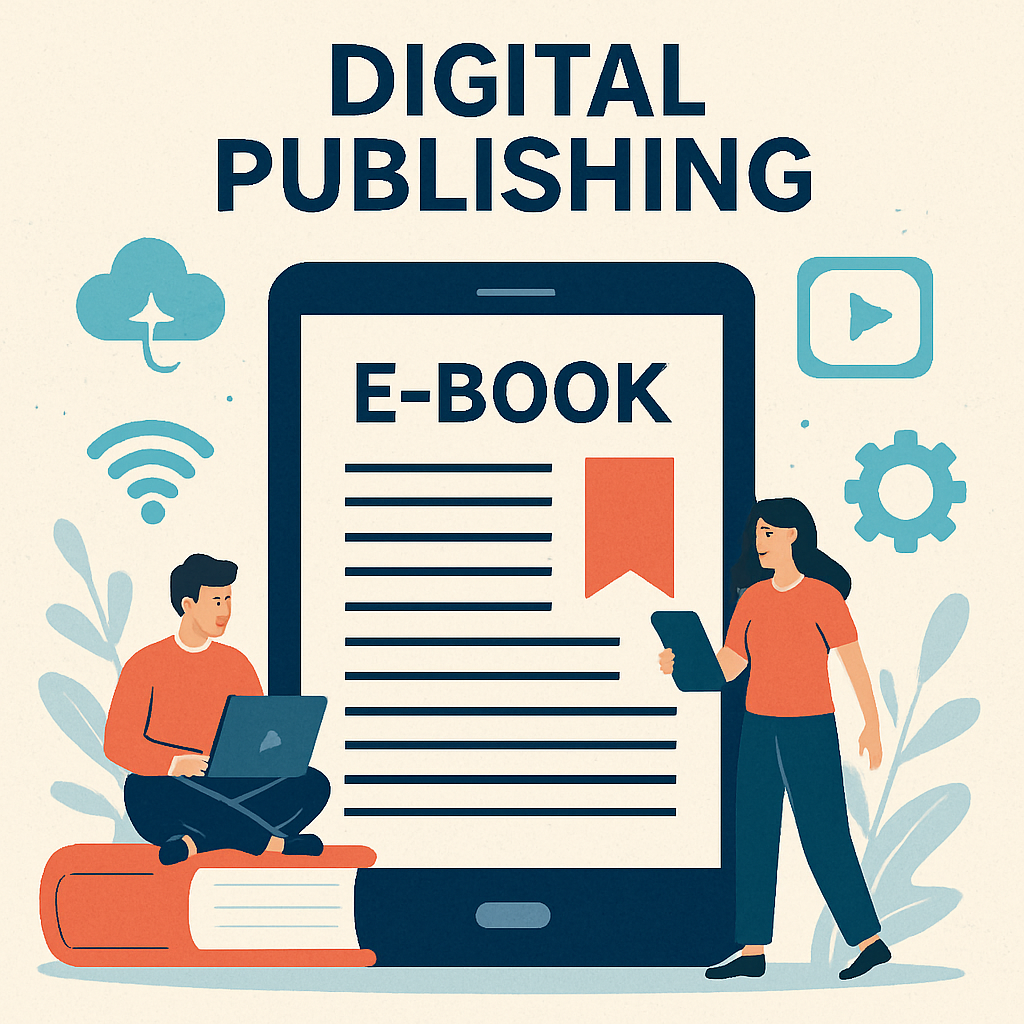
A Publisher CMS is a software
application that allows publishers to create, manage, and modify digital content without the need for
specialized technical knowledge. It streamlines the content creation process, making it easier for
publishers to deliver content efficiently and effectively.
Defining a Publisher CMS
A Publisher CMS is specifically designed to cater to
the needs of those in the publishing industry. Unlike generic CMS platforms, a Publisher CMS often comes
with features that align with publishing workflows. These features may include editorial calendars,
version control, and collaborative tools that are integral for a seamless publishing process.
Understanding what sets a Publisher CMS apart is crucial in selecting the right tool for your digital
content strategy.
The Evolution of Publisher CMS
Over the past decade, the landscape of Publisher CMSs
has evolved significantly. Initially, these systems were quite basic, offering limited functionality.
However, as digital publishing has grown, so too has the sophistication of CMS platforms. Today, they
offer advanced features such as AI-driven content recommendations, integrated multimedia support, and
personalized user experiences. Keeping abreast of these advancements is essential for publishers looking
to stay competitive.
Integrating Publisher CMS with Other Tools
A modern Publisher CMS should not operate in
isolation. Integration with other tools such as Customer Relationship Management (CRM) systems, email
marketing platforms, and social media management tools is vital. This integration ensures that the
workflow is smooth and that data can be shared across platforms, which enhances the overall efficiency
of the publishing process. Choosing a CMS that supports these integrations can significantly boost
productivity.
Key Features of a Publisher CMS
When selecting a CMS, it's crucial to identify
the features that align with your publishing goals. Here are some key features to consider:
Ease of Use
The CMS should be user-friendly, allowing your team
to easily create and manage content. A steep learning curve can hinder your team's productivity and
delay publishing schedules. Look for intuitive interfaces and robust user support to ensure that all
team members, regardless of technical ability, can navigate the system efficiently. Training modules and
comprehensive documentation can also aid in this process.
Customization
Look for a CMS that allows for design and
functionality customization to fit your brand's unique needs. Customization capabilities enable you
to create a distinctive look and feel for your publication, reinforcing brand identity. Whether
it's through custom themes, plugins, or API access, a CMS should provide the flexibility to evolve
with your brand. Prioritizing a CMS that supports extensive customization can set you apart in a crowded
digital space.
SEO Tools
Effective SEO tools are vital for improving your
content's visibility on search engines. A CMS with built-in SEO features can simplify the process
of optimizing your content for search engines. Features such as metadata management, URL optimization,
and automated SEO audits can save time and improve your site's search ranking. In addition,
integration with SEO analytics tools can provide deeper insights into your content's performance.
Analytics and Reporting
A good CMS should offer comprehensive analytics to
track content performance and audience engagement. Understanding how your content performs is crucial
for making informed editorial decisions. Look for systems that offer real-time data, customizable
reports, and integration with external analytics platforms. These insights can guide content strategy
and highlight areas for improvement.
Scalability
As your publication grows, your CMS should be able to
scale with your increasing needs. Scalability is not just about handling increased traffic; it's
also about accommodating more content, users, and integrations. A scalable CMS should offer flexible
hosting options and robust infrastructure to support growth without compromising performance. Planning
for scalability from the outset can prevent costly migrations down the line.
The Benefits of ePublishing
ePublishing, or electronic publishing, involves the
digital publication of eBooks, digital magazines, and other content. It offers several advantages over
traditional publishing:
Cost-Effective
ePublishing eliminates the need for physical
printing, reducing production costs significantly. This allows publishers to allocate resources more
efficiently and invest in other areas of their business. Cost savings can be redirected towards
marketing, content creation, and technology upgrades. Additionally, digital distribution reduces
warehousing and logistics costs associated with physical products.
Wider Reach
The digital format allows for global distribution,
enabling publishers to reach a broader audience without geographical limitations. Your content can be
accessed by anyone with an internet connection, expanding your potential readership exponentially. This
global reach opens up new markets and demographic segments that were previously inaccessible.
Localization options further enhance reach by allowing content to be tailored to different languages and
cultures.
Interactive Content
With ePublishing, you can incorporate multimedia
elements such as videos, audio clips, and interactive graphics, enhancing the reader's experience
and engagement. Interactive content can lead to higher engagement rates and longer time spent on your
site. By leveraging multimedia, publishers can create immersive experiences that are not possible with
traditional print media. Experimenting with different formats can also provide valuable insights into
audience preferences.
Instant Updates
Unlike traditional publishing, ePublishing allows for
immediate updates and corrections. This agility means that publishers can quickly respond to changes in
information or market conditions. Instant updates ensure that your audience always has access to the
most current information, which is crucial for maintaining credibility. This ability to rapidly adapt is
a significant advantage in fast-paced industries.
Environmentally Friendly
ePublishing is inherently more sustainable than
traditional publishing. By eliminating the need for paper and ink, and reducing transportation emissions
associated with physical distribution, digital publishing has a lower environmental impact. This
eco-friendly approach can be an attractive selling point for environmentally conscious consumers.
Adopting sustainable practices can also align with broader corporate social responsibility goals.
Popular CMS Options for Publishers
Choosing the best CMS for publishers involves
evaluating various options and determining which one best suits your needs. Here are some popular CMS
platforms:
WordPress
WordPress is one of the most widely used CMS
platforms, known for its flexibility and extensive plugin ecosystem. It is ideal for publishers who need
a customizable and scalable solution. WordPress offers numerous themes and plugins, allowing you to
tailor your site to your specific requirements. The platform's active community also provides a
wealth of resources, including forums, tutorials, and third-party services.
Drupal
Drupal is a powerful CMS suited for larger
publications with complex content needs. It offers robust features and a high level of customization,
making it a preferred choice for those with technical expertise or access to a skilled development team.
Drupal's modular architecture allows for sophisticated content management and intricate user
permissions. It's an excellent choice for organizations that require extensive custom development
and integration capabilities.
Joomla
Joomla is another versatile CMS that balances ease of
use with powerful features. It is suitable for publishers looking for a platform that offers more
flexibility than WordPress but is less complex than Drupal. Joomla's built-in multilingual support
and strong community make it an appealing choice for international publications. Its flexibility in
content management and layout options provides a middle ground for publishers seeking both simplicity
and power.
Squarespace
Squarespace is a user-friendly CMS with beautiful
design templates. It is ideal for small to medium-sized publishers who prioritize design and ease of use
over extensive customization options. Squarespace's drag-and-drop interface and all-in-one hosting
solution make it accessible for those with limited technical skills. Its focus on aesthetics ensures
that publications look polished and professional without extensive design experience.
Ghost
Ghost is a minimalist CMS focused on content creation
and management. It is perfect for publishers who want a straightforward platform without the clutter of
unnecessary features. Ghost's clean interface and focus on speed and simplicity make it an
attractive option for bloggers and content-driven sites. Its built-in SEO and analytics capabilities
provide essential tools for optimizing content performance.
Considerations When Choosing a CMS
Selecting the right CMS involves more than just
choosing a popular platform. Here are some additional considerations:
Evaluate the cost of the CMS, including any
additional expenses for plugins, themes, and technical support. Ensure that the platform fits within
your budget while still meeting your needs. Consider long-term costs such as subscription fees, hosting,
and potential upgrades. Balancing cost with functionality is crucial to avoid overextending your
resources.
Technical Support
Consider the level of technical support offered by
the CMS provider. Access to reliable support can be crucial, especially if you encounter technical
issues or require assistance with setup and maintenance. Look for providers that offer multiple support
channels, such as live chat, forums, and ticket systems. A responsive support team can be invaluable in
resolving issues quickly and minimizing downtime.
Community and Resources
A CMS with a large, active community can be a
valuable resource. Access to forums, tutorials, and user-generated content can help you troubleshoot
issues and optimize your use of the platform. Engaging with the community can also provide insights into
best practices and emerging trends. An active community indicates a healthy ecosystem that fosters
innovation and collaboration.
Security
Ensure that the CMS has robust security features to
protect your content and user data. Regular updates and security patches are essential for safeguarding
your publication against potential threats. Evaluate the CMS's track record on security breaches
and the measures they have in place to prevent them. Implementing additional security layers, such as
SSL certificates and firewalls, can further enhance protection.
Future-Proofing
Consider how the CMS will adapt to future
technological advancements and industry changes. A future-proof CMS should be flexible enough to
incorporate new features and integrate with emerging technologies. Staying informed about the
platform's development roadmap can help you anticipate changes and plan for the future. Choosing a
CMS with a forward-thinking approach can ensure long-term viability.
Conclusion
Choosing the right Publisher CMS is a critical
decision that can significantly impact your publication's success. By considering factors such
as ease of use, customization options, scalability, and cost, you can select a CMS that aligns with
your goals and enhances your publishing efforts. Whether you opt for a popular platform like
WordPress or a more niche option like Ghost, the right CMS will enable you to manage your content
efficiently and engage with your audience effectively. Embrace the digital age with confidence,
armed with the tools that empower your publishing journey.
The Digital Future
As the digital landscape continues to evolve,
staying ahead of trends is crucial for success. Publishers who leverage the full potential of their
CMS can create compelling content that resonates with their audience. Embracing new technologies
such as AI, machine learning, and immersive media can further enhance the digital publishing
experience. By committing to continuous improvement and innovation, publishers can thrive in the
ever-changing digital world.
Empowering Your Team
A well-chosen CMS can empower your team to work
more efficiently and collaboratively. By reducing technical barriers and streamlining workflows,
your team can focus on creating high-quality content. Investing in training and development can
maximize the benefits of your CMS and foster a culture of creativity and productivity. Empowered
teams are the backbone of successful digital publications.
Adapting to Change
The publishing industry is no stranger to change, and
adaptability is key to enduring success. As consumer preferences and technologies shift, publishers
must be ready to pivot and adapt. A flexible CMS can provide the agility needed to respond quickly
to new opportunities and challenges. By fostering a mindset of adaptability, publishers can navigate
the complexities of the digital landscape with confidence.
Ready to Choose Your Publisher CMS?
Bulletlink offers a comprehensive
Publisher CMS solution designed specifically for digital publishers. Experience the power of streamlined
content management and enhanced publishing workflows.