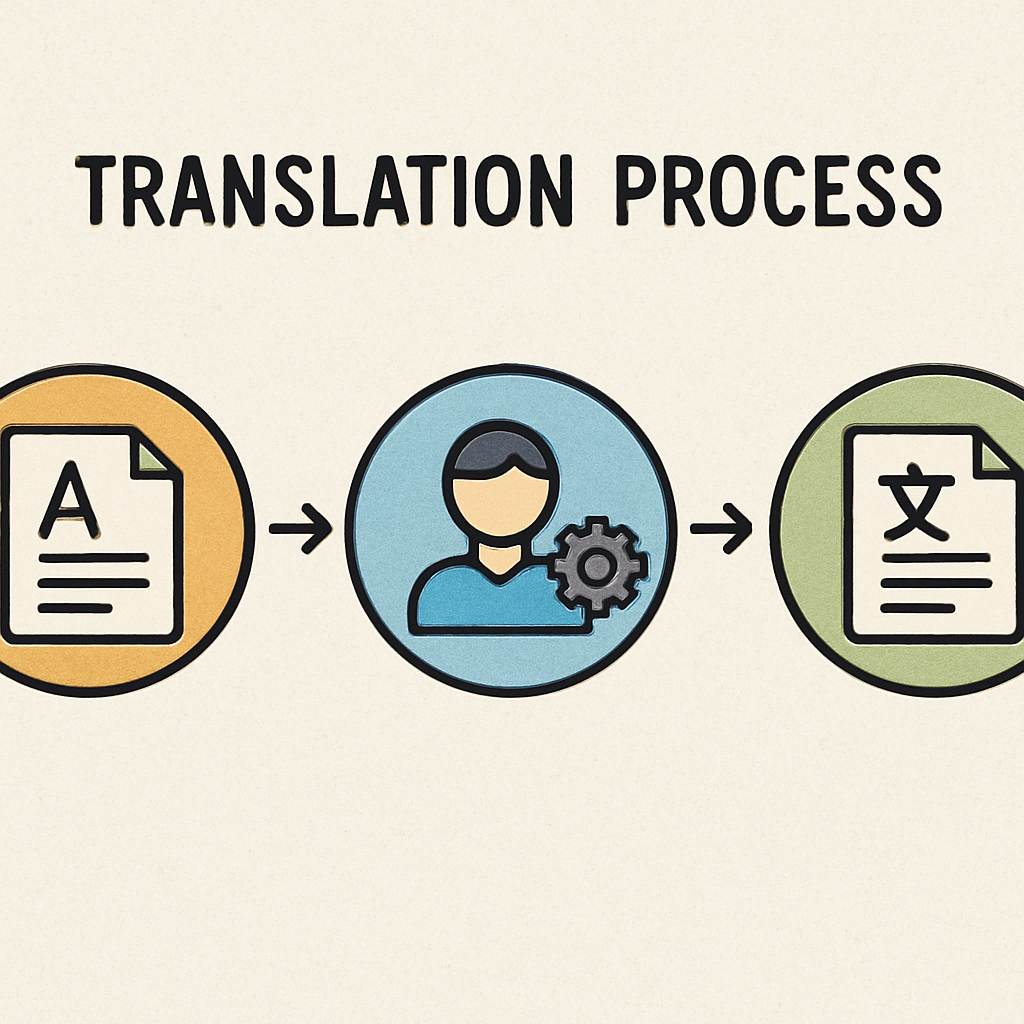
Choosing the
Right Multilingual CMS for Your Business
📖 10 min
read•
In today's interconnected global
marketplace, the ability to reach and engage with audiences in their native languages is pivotal for
businesses aiming to expand their influence and customer base.
This is not merely a strategic advantage but a
fundamental requirement for any business seeking to thrive on an international scale. As businesses set
their sights on global markets, the need for an efficient multilingual website becomes increasingly
apparent. This is where a multilingual content management system (CMS) plays a crucial role. But with a
plethora of options available, how do you choose the right one for your business? Let's delve into the
essentials to help you make an informed decision.
What is a Multilingual CMS?
A multilingual CMS is a sophisticated platform
designed to facilitate the creation, management, and optimization of website content in multiple
languages. It simplifies the complexities of international content management, providing businesses with
the tools needed to maintain consistency and accuracy across different languages and regions.
At its core, a multilingual CMS is a software
application that supports the creation and management of content in multiple languages. It enables
businesses to seamlessly publish and manage content that caters to diverse linguistic audiences, thus
fostering greater engagement and interaction. By using a multilingual CMS, businesses can efficiently
handle translations, manage language-specific content variations, and ensure that their messaging
resonates with a global audience.
The Role of Multilingual CMS in Global Strategy
A multilingual CMS is more than just a tool for
translation; it is an integral part of a global business strategy. By providing the capability to
deliver localized content, it helps businesses connect with audiences in culturally relevant ways. This
strategic advantage not only enhances customer experience but also builds brand loyalty and trust. In
addition, a multilingual CMS can improve operational efficiencies by automating many of the complex
processes involved in content translation and localization.
The Impact on User Experience
User experience is a critical factor in the success
of any website, and this is particularly true for multilingual sites. A well-implemented multilingual
CMS ensures that users have a seamless experience, regardless of their language preference. This
includes consistent navigation, intuitive interfaces, and culturally appropriate content. When users can
easily interact with your site in their preferred language, it increases satisfaction and encourages
repeated visits, thereby boosting engagement and conversion rates.
Key Features to Look for in a Multilingual CMS
Selecting the right multilingual CMS requires a
thorough evaluation of its features and how they align with your business objectives. Here are some
essential features to consider:
User-Friendly Interface
A user-friendly interface is paramount for ensuring
that your team can efficiently manage multilingual content. The CMS should offer an intuitive dashboard
that simplifies navigation and content management tasks. This ease of use minimizes the learning curve,
enabling your team to focus on creating and optimizing content rather than grappling with complex
technical processes. Look for features like drag-and-drop functionality, customizable layouts, and
role-based access to streamline workflows and enhance productivity.
Robust Language Support
Comprehensive language support is a must for any
multilingual CMS. This includes the ability to handle a wide array of languages and scripts, including
those that read from right to left, such as Arabic and Hebrew. Additionally, the CMS should support
various character sets and language-specific punctuation, ensuring that all content is displayed
accurately. Having robust language support not only broadens your reach but also ensures that your
content maintains its integrity across different languages and cultures.
Efficient Translation Management
Effective translation management is a cornerstone of
any multilingual CMS. The platform should offer built-in translation tools or facilitate seamless
integration with third-party translation services. This capability streamlines the translation process,
allowing for consistent and timely updates across all language versions of your site. Look for features
such as translation memory, glossary management, and automated workflows to enhance efficiency and
accuracy in your translation efforts.
SEO Capabilities
Search engine optimization (SEO) is critical for
maximizing your website's visibility and attracting global traffic. The CMS should include robust
multilingual SEO features, such as customizable URLs, meta tags, and hreflang tags, to ensure that your
site ranks well in different languages and regions. These features help search engines understand the
linguistic and geographical targeting of your content, improving your chances of reaching the right
audience.
Content Localization
Localization goes beyond simple translation; it
involves tailoring your content to meet the specific cultural and linguistic nuances of your target
audience. A multilingual CMS with strong localization features allows you to adapt content elements like
images, currency, date formats, and even the tone of your messaging to resonate with local audiences.
This attention to detail can significantly enhance user engagement and brand perception in different
markets.
Popular Multilingual CMS Options
With numerous CMS platforms available, each offering
distinct features and capabilities, it's important to choose one that aligns with your business needs
and goals. Here's a closer look at some popular options:
WordPress
WordPress stands out as one of the most popular and
versatile CMS platforms worldwide. Its flexibility and extensive plugin library make it an attractive
choice for businesses of all sizes. With plugins like WPML (WordPress Multilingual Plugin) or Polylang,
you can easily transform your WordPress site into a multilingual powerhouse. WordPress's active
community and comprehensive support resources further enhance its appeal, making it a go-to option for
many businesses seeking a reliable multilingual CMS.
Joomla
Joomla is another robust CMS that offers built-in
multilingual support, making it a viable choice for businesses that require advanced multilingual
capabilities. It provides a variety of extensions specifically designed to enhance multilingual
functionality, allowing for greater customization and control over language-specific content. Joomla's
flexibility and scalability make it suitable for businesses looking for a CMS that can grow alongside
their multilingual needs.
Drupal
Drupal is renowned for its robustness and
scalability, particularly when it comes to managing complex multilingual websites. It offers
comprehensive multilingual features out of the box, making it an ideal choice for larger organizations
with intricate content management requirements. Drupal's powerful taxonomy system and flexible content
architecture allow for sophisticated management of multilingual content, making it a preferred option
for enterprises with diverse linguistic needs.
Shopify
For e-commerce businesses, Shopify provides
multilingual capabilities through various apps and plugins. Its user-friendly interface and strong focus
on e-commerce make it an excellent choice for businesses looking to expand their online stores to a
global audience. Shopify's multilingual features enable seamless integration with translation services,
ensuring that product descriptions, pricing, and other critical information are accurately presented in
multiple languages.
Considerations for Choosing the Right CMS
Choosing the right multilingual CMS involves careful
consideration of several factors to ensure it aligns with your business strategy and objectives. Here
are key considerations to keep in mind:
Understanding your budget constraints is crucial when
selecting a multilingual CMS. Consider both the initial implementation costs and the ongoing expenses
associated with maintaining and updating the CMS. Some platforms may require a higher upfront investment
but offer lower long-term costs, depending on your specific needs and the complexity of your website.
Evaluate the cost-benefit ratio to determine which CMS offers the best value for your investment.
Scalability
As your business grows and expands into new markets,
your CMS should be able to scale accordingly. Choose a platform that can accommodate an increasing
number of languages, users, and features without compromising performance. Scalability is essential for
ensuring that your CMS can support your business's evolving needs and help you maintain a competitive
edge in the global marketplace.
Support and Community
A strong support network and active user community
can be invaluable resources when you encounter challenges or require assistance. Look for a CMS with
comprehensive documentation, responsive customer support, and a vibrant community of users and
developers. These resources can provide guidance, troubleshooting tips, and best practices, helping you
make the most of your CMS and overcome any obstacles you may face.
Integration with Existing Systems
Seamless integration with your existing tools and
systems is vital for streamlining processes and improving overall efficiency. Ensure that the CMS you
choose can integrate with your current CRM, ERP, marketing automation, and other essential platforms.
This integration enables you to synchronize data, automate workflows, and enhance collaboration across
different departments, ultimately driving greater efficiency and productivity.
Implementing Your Multilingual CMS
Once you've selected the right CMS, the next step is
implementing it effectively to maximize its potential. Here are some tips to ensure a successful
implementation:
Plan Your Content Strategy
Develop a comprehensive content strategy that
outlines your target languages, translation and localization processes, and content management
workflows. Determine which content needs to be translated, how often updates will occur, and how you'll
manage version control. A well-defined strategy ensures that your multilingual content aligns with your
business goals and resonates with your target audience.
Train Your Team
Proper training is essential for ensuring that your
team can effectively use the CMS and manage multilingual content. Provide training on the platform's
features, translation workflows, and best practices for content management. Encourage ongoing learning
and development to keep your team updated on new features and techniques, enabling them to optimize the
CMS's capabilities and drive better results.
Monitor and Optimize
Regularly monitor your multilingual website's
performance to identify areas for improvement. Track key metrics such as SEO rankings, user engagement,
and conversion rates to gauge the effectiveness of your content strategy. Use this data to make informed
decisions about content updates, localization efforts, and user experience enhancements, ensuring that
your multilingual site continues to meet the needs of your audience and support your business
objectives.
Conclusion
Choosing the right multilingual CMS is a critical
decision for any business aiming to expand its global reach and engage with diverse audiences. By
understanding your specific needs, evaluating key features, and considering long-term growth and
scalability, you can select a platform that supports your international content management efforts.
With the right tools and strategies in place, you'll be well on your way to effectively
communicating with audiences worldwide and achieving success in the global market.
Ready to Go Multilingual?
Bulletlink offers multilingual CMS
capabilities to help you reach global audiences and manage content in multiple languages seamlessly.